Table Of Content

The effluent leaves the pipes and is treated as it filters through the sand. In conclusion, the septic tank designs of the 1970s were a pivotal point in the evolution of waste management systems. As society became more aware of the environmental impact of waste disposal, advancements were made to create more efficient and eco-friendly septic systems.
The Issues Lurking Below: Understanding 1960s Septic Tank Woes
Upgrades are generally cheaper, but severe issues warrant a replacement. Get quotes from professionals for accurate costs tailored to your situation. The majority of systems that fail prematurely, on the other hand, are caused by poor maintenance. The less water that is utilized, the less water that enters the septic system, resulting in a lower likelihood of septic system malfunction. This might imply that an excessive amount of effluent is being transported upward rather than downward via the soil.
How big were old septic tanks?
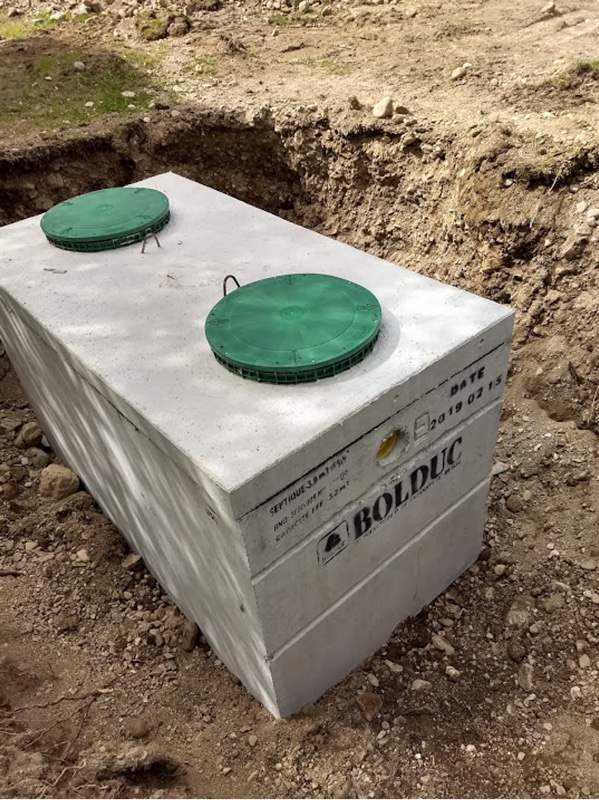
Let’s roll up our sleeves and explore 1960s septic tank design, common issues, and the modern solutions that bring them into the 21st century. Installation of the septic tank takes place along the sewage line that runs from the house into the front yard. Locate the 4-inch sewage pipe at the point where it exits the home in the basement or crawl space, if it is there. Insert a thin metal probe into the earth, identify the 4-inch sewage line, and follow it across the yard, probing every 2 feet, until you reach the end of the property. Septic tanks are required to be at least 5 feet apart from the home in all states except Alaska. The size and type of drainfield required is determined by the estimated daily wastewater flow and the soil conditions in the surrounding area.
Advancements in Materials
Of course, this story begins with privies (outhouses) and eventually plumbing and sewers that generally discharged directly into surface water, a technique which proved to be sub-standard, as history has shown. This type of primary waste treatment led to disease and many other health issues related to poor water quality. Many third world countries, unfortunately, still don’t have running water or proper sanitation, leading to epidemics such as cholera, E.
In New England, Gone Are The Days When Septic Can Be Out Of Sight, Out Of Mind - WBUR News
In New England, Gone Are The Days When Septic Can Be Out Of Sight, Out Of Mind.
Posted: Mon, 01 Jan 2018 08:00:00 GMT [source]
If the material is deeper than 24 inches, it will flow down the outflow pipe and into the drainfield, plugging up the drainfield and resulting in drainfield failure. In order to get your septic tank cleaned, you must first locate the main compartment2nd compartment lid of the septic tank and remove it. A conventional decentralized wastewater treatment system consists of a septic tank and a trench or bed subsurface wastewater infiltration system, known as a drainfield. A conventional septic system is typically installed at a single-family home or small business. There is also a distinction between the more common tanks discussed above that function with little or no oxygen present (known as anaerobic) and aerobic tanks, which use a pump to inject oxygen into the effluent.
How do you find a septic tank in an old house?
The drip distribution system is a type of effluent dispersal that can be used in many types of drainfields. The main advantage of the drip distribution system is that no large mound of soil is needed as the drip laterals are inserted into the top 6 to 12 inches of soil. The disadvantage of the drip distribution system is that it requires a large dose tank after the septic tank to accommodate the timed dose delivery of wastewater to the drip absorption area. Additional components, such as electrical power, are necessary for this system, requiring an added expense and increased maintenance. The advancements and innovations in septic tank design during the 1970s have had a lasting impact on modern septic systems.
Ease of Installation
Investigate the tank’s circumference to determine its boundaries and outline the rectangle’s boundary using a pencil. A septic tank that was built before 1975 will have a single concrete lid that is 24 inches in diameter in the center of the rectangle. If the tank was built after 1975, it will have two covers made of fiberglass or polyethylene, centered at the ends of the rectangle and centered at the ends of the rectangle.
Chemicals may cause significant damage to and contamination of surface and groundwater, which can result in disease or even death in animals and people who consume the water. Here are some helpful hints for deciding where to locate your drainfield when you’re designing it. For the most accurate assessment of your septic tank needs, you should speak with an experienced and trustworthy sewer business representative. The good news is that you now have five alternatives for locating your septic tank, making it easier than ever to discover your tank. In both effluent and sewage lift stations, we have seen a diverse spectrum of decaying organisms. The broad view is that this is a concrete quality concern that requires immediate attention.
The Need for More Efficient Systems
But in the 1970s, precast tanks were introduced and that helped to bring costs down while also increasing the efficiency of the septic systems. Whenever the probe makes contact with flat concrete, fiberglass, or polyethylene it indicates that the tank has been located. For example, a 1,000 gallon septic tank, which is used by two people, should be pumped every 5.9 years. If there are eight people using a 1,000-gallon septic tank, it should be pumped every year. Sand filters provide a high level of treatment for nutrients and are good for sites with high water tables or that are close to water bodies, but they are more expensive than a conventional septic system.
The gravelless systems can be manufactured with recycled materials and offer a significant savings in carbon footprint. Initial consideration should be given to the most straightforward choice. The installation of septic tanks at all locations is documented in most counties’ permission records.
In the 1970s, septic tank designers focused on developing more efficient and reliable aeration systems. These systems introduced mechanisms such as diffusers or air pumps to ensure a consistent supply of oxygen within the tank, enhancing the bacterial activity and accelerating the decomposition process. The 1970s witnessed the introduction of several innovative designs that revolutionized septic tank technology.
The majority of home septic tanks are between 750 and 1,250 gallons in capacity. The size of the tank is one determining element regarding how often it ought to be pumped. For a household of 4 with a 1,000-gallon tank, it’s advised that it be pumped every 2.6 years, but for a 1,500-gallon tank, the time can be extended to 4.2 years and up to 5 years for a 2,000-gallon tank. These require a special pre-cast concrete panel system that protects the sand filter medium under the roadway or driveway. Well-maintained concrete tanks can last several decades, though 50+ years pushes the limits. After an extended period of use, tanks become filled with sludge and must be pumped out to continue functioning.


No comments:
Post a Comment